
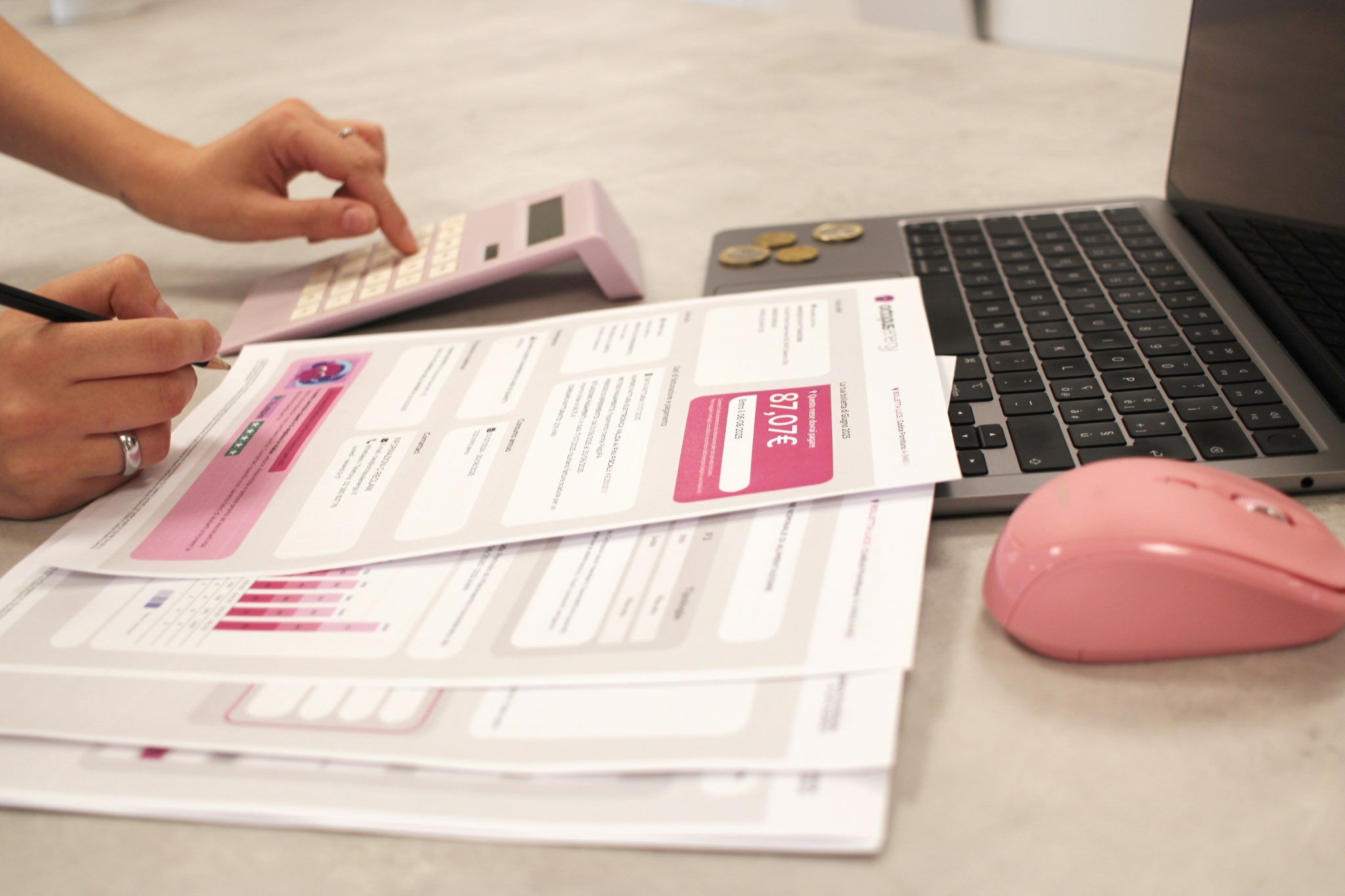
Freelancers, what does the mandatory e-invoicing in Belgium by 2026 mean for you?
You send an invoice, your client pays it, you move on with your day. That’s how it’s worked for years if you’re freelancing in Belgium or billing Belgian clients from anywhere in Europe. Since 1 January 2026, that simple process gets a new layer, and if you’re not ready for it, you could find yourself scrambling to fix invoices that technically don’t count anymore.
Belgium is rolling out mandatory structured e-invoicing through the Peppol network for B2B transactions. If you’re a freelancer, independent consultant, or contractor working with Belgian companies, this isn’t a small administrative footnote. It changes how you bill, what software you need, and how much time you’ll spend on compliance instead of billable work.
What mandatory e-invoicing in Belgium actually means?
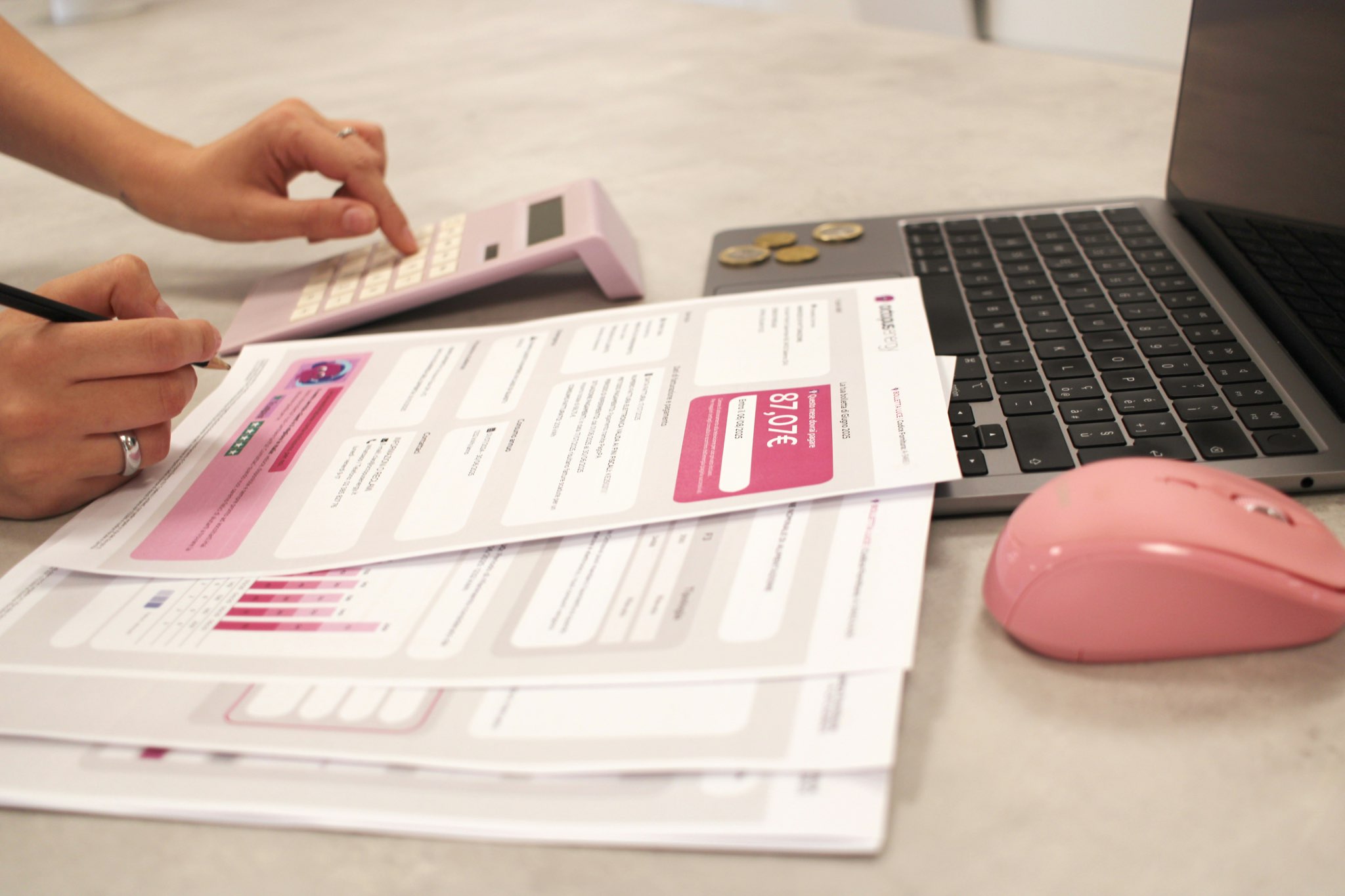
Let’s clear something up first, because “e-invoicing” gets misunderstood constantly. This isn’t about emailing a PDF invoice instead of printing one. Structured e-invoicing means your invoice is generated in a specific machine-readable format and transmitted through the Peppol network, a secure European infrastructure that lets invoicing systems talk to each other automatically.
Since 1 January 2026, Belgian businesses are legally required to send and receive invoices this way for domestic B2B transactions. A regular PDF invoice, even a nicely designed one, won’t meet the legal standard anymore. If you are a Belgian-established business and invoice a Belgian company without going through Peppol, your invoice could be considered non-compliant, which creates real issues around VAT deduction and payment processing on your client’s side.
Here’s what that means in practice for anyone billing Belgian clients:
- you now need invoicing software that’s Peppol-compliant, not just any accounting tool
- your invoices need to follow a structured data format, not a free-text layout
- from now on, your Belgian clients will likely start asking about your invoicing setup before signing new contracts
- non-compliant invoices could delay payment or create tax complications for both sides
If this is the first time you’re hearing about Peppol, you’re not alone. A lot of independent consultants across Europe are only just realizing this reform touches them directly, even if they’re not based in Belgium themselves.
Why this matters even if you don’t live in Belgium?
Here’s the part that catches a lot of freelancers off guard. Strictly speaking, the legal obligation applies to businesses established in Belgium: a freelancer based in France, Germany or Poland with no Belgian establishment is not legally required to issue Peppol invoices. In practice, though, you are still affected if you invoice Belgian companies.
Belgian companies are reorganising their accounts-payable processes around Peppol, and many now ask all their suppliers, including foreign ones, to send structured invoices through the network. In other words, how smoothly your Belgian client processes and pays your invoice increasingly depends on your invoicing setup, even though you’re not the one based in Belgium.
This creates a genuinely awkward situation for independent consultants who work cross-border. You might have a perfectly functional invoicing process for your French or Polish clients, and suddenly discover it doesn’t meet what your Belgian client now needs from you. Losing a good client over an invoicing technicality is exactly the kind of avoidable headache nobody signs up for when they go independent.
Would you like some guidance on the technical aspects of your market?
I would like to speak with an expertWhat this changes for freelancers already based in Belgium?

If you’re already working as an independent consultant in Belgium, the practical impact is more immediate. From now on, you need to:
- Confirm your invoicing software actually supports Peppol transmission, many older or basic tools don’t
- Register your business correctly within the Peppol network through an access point provider
- Update your invoicing templates to match the structured data requirements, not just the visual layout
- Communicate clearly with clients about the transition, especially if you’re mid-contract when the rules kick in
None of this is impossible to handle on your own. But it’s exactly the kind of task that eats into time you’d rather spend on client work, and getting it wrong has real consequences, delayed payments, VAT complications, or a client who quietly decides working with you has become more hassle than it’s worth.
The real cost isn’t the software, it’s the time
Plenty of freelancers who have read about this reform have thought “fine, I’ll just buy Peppol-compliant software and move on.” And sure, that solves the technical problem. But it doesn’t solve the underlying issue that keeps showing up every time a new compliance requirement lands on independent workers, admin keeps growing, and there’s only so much of it one person can absorb before it starts eating into actual paid work.
This is where the conversation naturally shifts toward how you’re structured as an independent professional in the first place. If you’re managing your own invoicing, your own VAT declarations, your own compliance updates every time a country changes its rules, you’re essentially running a back office alongside your actual consulting work. That’s a lot to carry solo, especially when the rules keep shifting country by country across Europe.
How portage salarial takes this off your plate?
This is exactly the kind of regulatory shift that makes portage salarial, or umbrella company arrangements, genuinely valuable rather than just a nice-to-have. Under a portage salarial structure, you’re not the one who has to personally register with Peppol, update invoicing templates, or monitor every country’s evolving e-invoicing requirements. Skalis Portage handles invoicing, compliance, and administrative reporting on your behalf, while you stay focused on your missions and your clients.
For consultants working with Belgian companies, this matters twice over. First, you don’t have to become an expert in Belgian invoicing regulation just to keep working with a client you value. Second, your Belgian clients get invoices that are already compliant, which actually makes you a more attractive contractor to work with, not a compliance risk they need to manage.
Want to see what this looks like for your specific situation? Run a free salary simulation with Skalis Portage and get a clear picture of how portage salarial handles this kind of complexity for you.
Simulate my salaryWhat this means for European freelancers considering Belgian clients?
If you’re a freelancer elsewhere in Europe and Belgian companies are on your radar as potential clients, this reform is actually worth viewing as an opportunity rather than just an obstacle. Belgian businesses are about to become more selective about who they contract with, partly because compliant invoicing now directly affects their own tax reporting.
A consultant who shows up already invoicing in a compliant, professional way, through a properly structured umbrella arrangement for instance, stands out immediately compared to someone who’ll need months to sort out their own invoicing setup. If you’re planning to grow your client base in Belgium during 2026, getting ahead of this now is a genuine competitive advantage.
A few practical steps if you’re eyeing Belgian clients this year:
- Don’t wait until a client asks about Peppol compliance to figure out your setup
- Ask potential Belgian clients directly whether they expect Peppol-compliant invoicing from day one
- Consider whether managing this solo makes sense compared to working through a structure that already handles it
- Keep documentation of your invoicing process ready, Belgian clients are increasingly going to ask
Getting ahead of the 2026 deadlines

Here’s the part that rarely gets said out loud: Belgium’s e-invoicing mandate is just one piece of a much bigger puzzle. Poland has its own rules. Luxembourg has its own timeline. Germany, France, the Netherlands, every country is rolling out its own version of e-invoicing, its own thresholds, its own penalties, on its own schedule. What’s mandatory in Belgium from January 2026 might look completely different from what applies in the country next door, or from what applied there just two years ago.
If you’re an independent consultant working across borders, that’s the real challenge. It’s not really about Peppol specifically. It’s about staying current on regulatory changes in every country where you have clients, at the same time, indefinitely, on top of actually doing your job. This is exactly the kind of moving target that makes handling everything solo genuinely exhausting, even for consultants who are otherwise perfectly organized. You can be excellent at your craft and still get caught off guard by a filing deadline you didn’t know existed in a country you only just started working with.
Frequently asked questions
Is e-invoicing mandatory in Belgium in 2026?
Yes. Since 1 January 2026, VAT-registered businesses established in Belgium must issue and receive structured electronic invoices through the Peppol network for domestic B2B transactions.
Does the Belgian e-invoicing mandate apply to foreign freelancers?
A freelancer or company with no establishment in Belgium is not legally required to issue Peppol invoices. In practice, many Belgian clients now ask all suppliers for structured invoices to automate their processing, so being Peppol-ready is a commercial advantage.
Is a PDF invoice still valid in Belgium?
Not for domestic B2B transactions between Belgian businesses: the invoice must be in a structured, machine-readable format transmitted via Peppol.
How does portage salarial help with Belgian e-invoicing?
In portage salarial, the umbrella company invoices the client in its own name and takes care of the Peppol connection and format, so the consultant has no software to buy or registration to manage.
Ready to stop tracking every country’s rules yourself?
Talk to a Skalis Portage expert about your specific situation, and find out exactly how much of this we can take off your plate.
