
The Netherlands is no longer just an attractive European market. For freelancers, it has become a serious career accelerator.
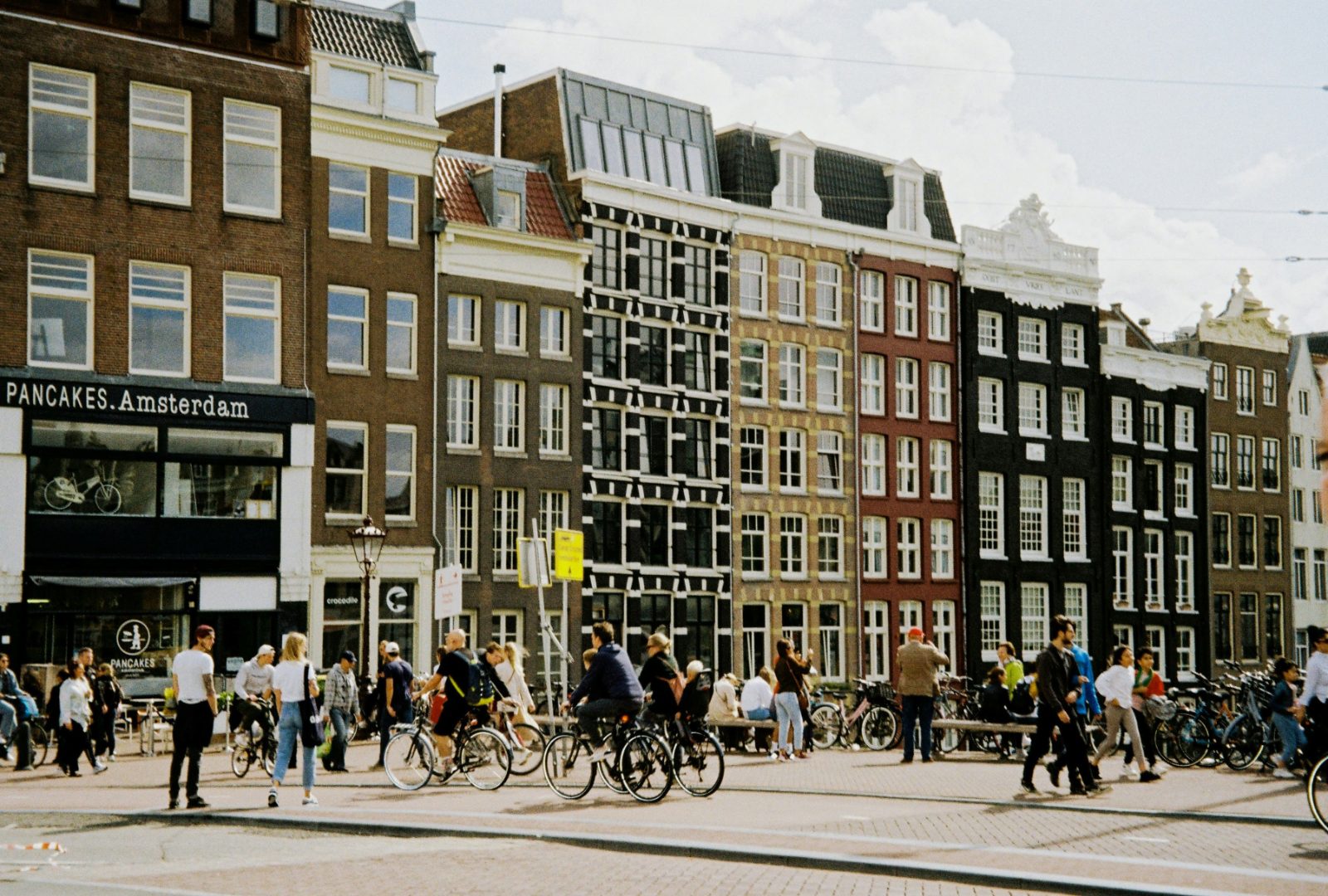
Amsterdam, Rotterdam, Eindhoven, these are not just cities on a map. They are entry points into a highly international ecosystem where companies are actively looking for external expertise. Tech, data, engineering, finance, consulting: demand is strong, projects are well-funded, and the need for skilled professionals continues to grow.
On paper, the equation looks simple. You find a mission, you start working, you invoice your client.
In reality, the story is slightly different.
Because working as a freelancer in the Netherlands is not just about landing projects. It’s about structuring your activity in the right way from day one.
The Dutch market: open, dynamic… and demanding
There is a reason why so many international freelancers are targeting the Netherlands in 2026.
The country offers a rare combination of flexibility and stability. Companies are used to working with independent professionals. English is widely spoken. Cross-border collaboration is part of the culture. Compared to other European markets, integration is fast.
At the same time, expectations are high.
Dutch companies don’t just hire skills. They expect clarity, structure, and compliance. Especially when working with international freelancers, they want reassurance. Contracts must be clean. Invoicing must be compliant. Legal frameworks must be respected.
This is where many freelancers hit their first obstacle.
Because while finding a mission may be straightforward, operating legally within the Dutch system is not always intuitive.
What freelance life in the Netherlands is really like
A direct, flat work culture
Dutch clients value clarity: meetings are efficient, feedback is straightforward and decisions are made quickly. What newcomers sometimes read as coldness is simply the culture. Clients appreciate consultants who communicate clearly, stay transparent about timelines, avoid unnecessary complexity and never overpromise — reliability matters more than corporate language.
Work-life balance is taken seriously
Dutch companies prioritise efficiency over presenteeism: late meetings are rare, remote work is normal and flexibility is common. Many freelancers find they can keep strong revenues while protecting personal time.
Amsterdam is not the whole story
- Amsterdam: international startups, global companies, creative industries and a dense tech community.
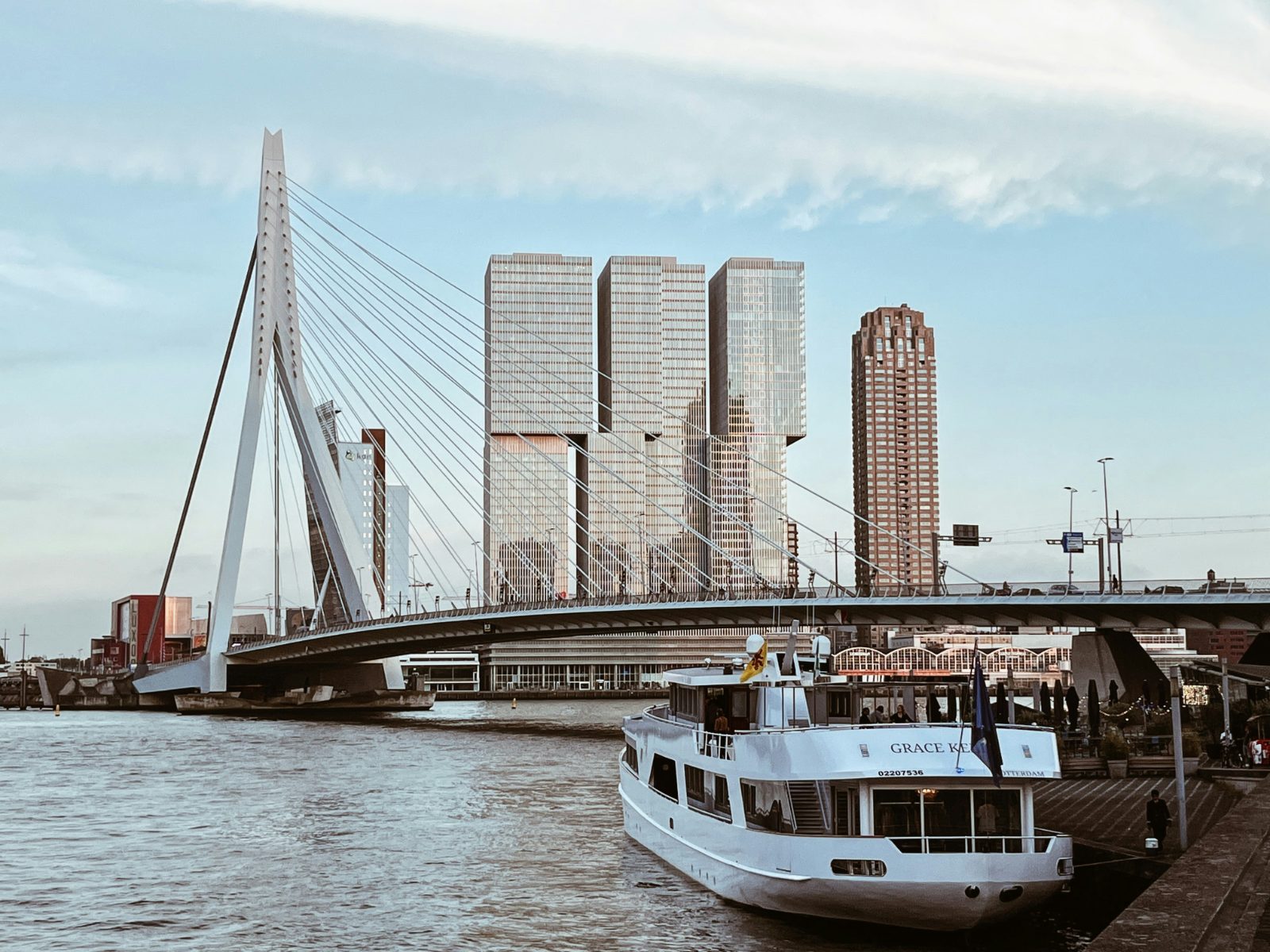
- Rotterdam: logistics, engineering, finance, sustainability, infrastructure and international trade, with lower living costs.
- Eindhoven: one of Europe’s innovation hubs for AI, semiconductors, software, robotics and hardware.
- Utrecht: central, well connected and calmer, a popular compromise close to Amsterdam.
Specialists and networkers win
Day rates can be higher than in neighbouring countries, but expectations follow: fast delivery, autonomy and business understanding. Clients care more about measurable results than titles, and because the market is relatively small, reputation, referrals and LinkedIn visibility weigh heavily in landing high-quality projects.
The hidden complexity behind freelance status
At first glance, the most logical option is to set up as a local freelancer, often under the so-called “ZZP” status. This is the standard route for independent professionals in the Netherlands.
But this approach comes with several layers of complexity.
You need to register locally, understand VAT rules, comply with tax obligations, and navigate a regulatory environment that is constantly evolving. Dutch authorities pay close attention to freelance arrangements, particularly when it comes to the risk of “false self-employment.”
In practical terms, this means that even if you consider yourself independent, your situation could be reassessed depending on how you work with your client. This creates uncertainty, both for you and for the company hiring you.
For short-term or mid-term assignments, the effort required to set up and maintain a local structure can quickly outweigh the benefits.
This is where the real question emerges.

One key decision: build locally, or structure differently?
Every freelancer entering the Dutch market faces the same strategic choice.
Do you create a local company and handle everything yourself, or do you rely on an existing structure that allows you to operate immediately?
The first option offers full independence, but comes with administrative weight, legal exposure, and ongoing management. The second option offers speed, simplicity, and compliance but requires choosing the right partner.
In recent years, more and more freelancers have shifted toward the second approach.
Not because they lack independence, but because they want to protect it.
The rise of umbrella companies in international freelancing
Umbrella companies, also known as Employer of Record (EOR) services, have become a key solution for freelancers working across borders.
The model is simple, but highly effective.
You remain fully in charge of your activity. You find your clients, negotiate your rates, and manage your missions. At the same time, the umbrella company acts as a legal and administrative layer between you and your client.
Concretely, it works like this:
- You secure a mission with a Dutch company
- The umbrella company signs the contract with the client
- It handles invoicing, tax compliance, and payroll
- You receive a salary, fully compliant with local regulations
There is no need to create a company. No need to deal with local bureaucracy. No need to interpret complex legal frameworks on your own.
What you get instead is a structured, secure, and operational setup from day one.
Freelancing, without the friction
For many freelancers, this model fundamentally changes the experience of working abroad.
Instead of spending time on administrative tasks, you focus on your core activity. Instead of worrying about compliance, you rely on a framework that is already validated.
This does not reduce your independence. It reinforces it.
You still choose your projects. You still define your positioning. You still manage your client relationships.
But you operate within a structure that allows you to scale more efficiently.
This is particularly valuable in a market like the Netherlands, where speed and clarity are essential.
Companies want to onboard quickly. They want to minimize risk. They want to work with professionals who are ready to start without delays.
An umbrella company makes that possible.
Why this model fits the Dutch market perfectly
The Netherlands is often described as a flexible labor market. And it is. But flexibility does not mean absence of regulation.
On the contrary, freelance work is closely monitored, especially when it comes to international profiles.
Authorities want to ensure that independent work is genuine, that tax obligations are respected, and that employment laws are not bypassed.
For freelancers, this creates a paradox.
The market is open, but the framework is strict.
The umbrella model resolves this tension.
It provides:
- Immediate compliance with local regulations
- A clear contractual framework
- A structure that reassures clients
- A simplified way to operate across borders
In other words, it removes the uncertainty that often slows freelancers down.
A concrete scenario
Imagine you are a consultant and you secure a contract with a company in Amsterdam.
Without a structured solution, you would need to go through several steps before even starting your mission. Registering a business, setting up VAT, understanding local tax rules, drafting compliant contracts, all of this takes time.
With an umbrella company, the process is radically different.
You can start almost immediately. The contractual setup is handled for you. Invoicing is managed externally. You receive a regular salary, with taxes and contributions already processed.
The mission remains the same. Your work does not change. But the environment in which you operate becomes significantly more stable.
What about income and structure?
This model is not without cost. A management fee applies, and your net income is calculated after taxes and social contributions.
In most cases, freelancers can expect to retain between 45% and 55% of their invoiced revenue.
At first glance, this may seem lower than operating independently. But this comparison is incomplete.
Because what you gain is not just a different income structure. You gain time, security, and access to opportunities that might otherwise be difficult to reach.
Large companies, in particular, often prefer working with structured partners rather than directly with foreign freelancers. This increases your chances of accessing high-value projects.
Why Skalis stands out
Choosing an umbrella company is not just about outsourcing administration. It is about selecting a partner that understands international freelancing.
Skalis positions itself precisely at this intersection.
With a strong European presence and expertise in cross-border mobility, the company provides a fully integrated solution for freelancers working in the Netherlands and beyond.
Its approach includes:
- Full compliance with local regulations
- End-to-end management of contracts, invoicing, and payroll
- Dedicated support tailored to international professionals
More importantly, it allows freelancers to focus on what actually matters: their work, their clients, and their growth.
Start your activity with the right structure
The Netherlands offers real opportunities for freelancers in 2026. But those opportunities are only accessible if your setup is aligned with the market.
Entering a new country without the right structure often leads to delays, complexity, and unnecessary risk.
Choosing a model that combines flexibility and security changes the equation entirely.
If you are planning to work in the Netherlands, taking the time to structure your activity properly is not optional. It is a strategic decision.
Take the next step
If you want to explore your options and understand how to operate in the Netherlands without creating a company, Skalis can guide you through the process.Start your projectGet a salary simulation
Because in today’s freelance landscape, success is not just about finding opportunities.
It is about being ready to capture them immediately.
Frequently asked questions
Can I freelance in the Netherlands without creating a Dutch company?
Yes. Through an umbrella company or Employer of Record such as Skalis, the umbrella signs the contract with the Dutch client, invoices and runs payroll, and you receive a compliant salary without registering a local business.
What is ZZP status in the Netherlands?
ZZP (zelfstandige zonder personeel) is the standard status for self-employed professionals without staff. It requires local registration, VAT and tax compliance, and Dutch authorities closely check for false self-employment.
Which Dutch cities are best for freelancers?
Amsterdam for startups, global companies and tech; Rotterdam for logistics, engineering and finance; Eindhoven for AI, semiconductors and hardware; Utrecht for a central, calmer base close to Amsterdam.
How much do freelancers keep with an umbrella company in the Netherlands?
Typically between 45% and 55% of invoiced revenue as net income, after the management fee, taxes and social contributions — in exchange for compliance, security and faster access to large clients.
