
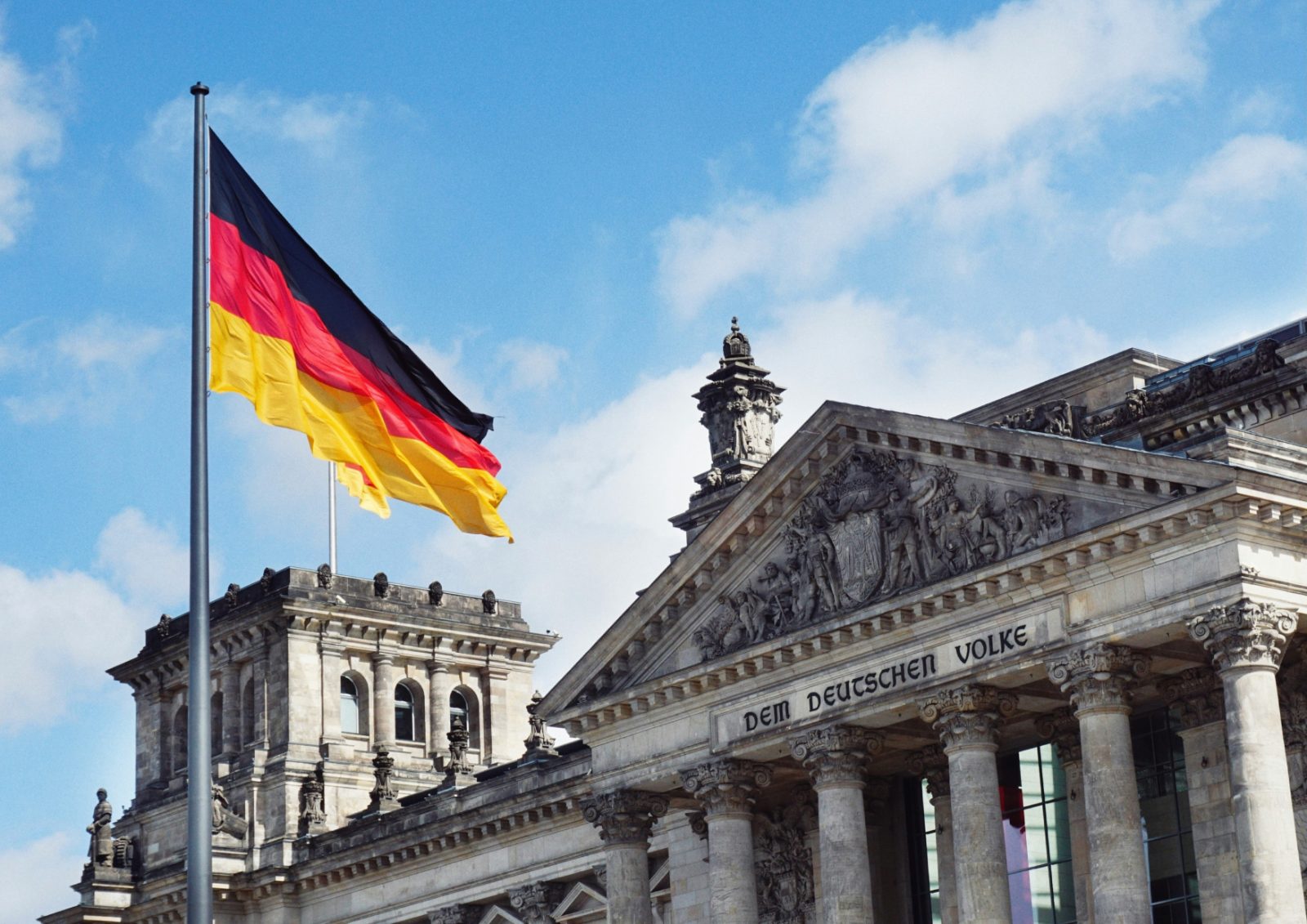
Germany remains one of Europe’s most attractive destinations for freelancing. The country offers a strong economy, world-class companies, and steady demand for expertise in IT, engineering, consulting and digital transformation. As a result, freelancing in Germany attracts skilled professionals from across the continent.
However, the German market is also one of the most regulated. Unlike more flexible ecosystems, it emphasises compliance, legal clarity and employment rules. Therefore, success here depends on more than finding clients.
In practice, thriving as a freelancer in Germany in 2026 means understanding the rules, protecting your business and building a sustainable model. This guide explains how.
Freelancing in Germany: strong opportunities in 2026
Despite economic uncertainty, Germany still relies heavily on external expertise. Companies in Berlin, Munich, Frankfurt and Hamburg face challenges that demand specialised skills and fast execution. For example, they need help with AI projects, transformation programmes, industrial modernisation and cybersecurity.
As a result, opportunities remain strong across several sectors.
Technology and digital transformation
In particular, demand stays high for these profiles:
- Software developers and cloud architects
- Cybersecurity specialists
- Data analysts and AI consultants
- ERP experts and DevOps engineers
Moreover, German businesses keep investing in digitalisation. Therefore, the need for external tech expertise stays consistent.
Engineering and manufacturing
As Europe’s industrial powerhouse, Germany offers strong demand for freelance engineers. Indeed, specialists in automotive, aerospace, energy and automation find attractive assignments nationwide.
Business and management consulting
In addition, organisations often seek external support for change management, process optimisation and international expansion. Experienced consultants who deliver measurable results stay highly valued.
However, accessing these opportunities usually means navigating a structured environment. To estimate your potential income, you can first run a salary simulation.
Thinking about freelancing in Germany?
Estimate your future net income and see how an umbrella company could support your project.
Why compliance matters so much
Compliance is a defining feature of the German market. Over the years, authorities have increased scrutiny of relationships that resemble employment. Consequently, many companies are now far more cautious when hiring independents.
For example, some firms run extensive compliance reviews before engaging a freelancer. Others limit assignment length or add stricter contract terms. Therefore, understanding the rules is no longer optional.
Understanding false self-employment (Scheinselbstständigkeit)
One of the most discussed topics is Scheinselbstständigkeit, or false self-employment. In short, it occurs when an independent professional works under conditions that resemble those of an employee.
This matters because a reclassification affects both sides. While each case is assessed individually, certain signals attract attention. For example:
- Working mainly for one client over a long period
- Being integrated into the client’s internal teams
- Following fixed schedules set by the client
- Having little autonomy over how the work is done
Ultimately, the goal is not to block freelancing. Instead, it is to ensure that genuinely independent professionals operate as real businesses.
Why some companies are more selective
Large corporations in automotive, finance, telecoms and tech are increasingly careful. Their concern is not quality, because demand for specialists stays high. Rather, the challenge is managing compliance risk.
As a result, companies favour freelancers who can show a genuine business, several clients, clear contracts, professional insurance and transparent invoicing. Therefore, freelancers who understand these expectations win long-term collaborations more easily.
Positioning and skills that win in Germany
The German market rewards expertise. While generalists still find work, specialists hold a clear advantage. For example, a defined niche helps justify higher rates:
- SAP migration consultant
- AI implementation specialist
- Cybersecurity auditor
- Automotive quality engineer
- Agile transformation expert
However, technical skill alone is no longer enough in 2026. In addition, clients value professionals who communicate clearly, deliver business value, adapt quickly and work autonomously.
The administrative reality of independent work
One surprise for newcomers is the volume of administration. Indeed, freelancers handle far more than client projects. For example, they manage contracts, invoicing, tax reporting, insurance and compliance.
Moreover, these tasks consume time that could serve clients or grow the business. As a result, many experienced freelancers realise that reducing admin is as valuable as increasing revenue.
How an umbrella company supports freelancing in Germany
For professionals who want both autonomy and security, an umbrella company (salary portage) is an increasingly attractive option. In practice, it lets consultants keep control of their missions, clients and rates while a structured framework handles the admin.
Depending on your situation, this model can simplify contract administration, client invoicing, payroll, social protection and compliance follow-up. Therefore, it is especially useful with clients that impose strict procurement rules. If you plan to work with German companies, Skalis Portage can help you choose the right structure.
Practical tips before you start
Germany offers excellent opportunities, but preparation is key. Before you launch, consider these recommendations.
Diversify your clients
For example, working with several clients reduces dependency on one source of revenue. Moreover, it reinforces your status as a genuine independent.
Invest in your professional brand
In addition, a strong LinkedIn profile and a clear value proposition improve visibility. Indeed, German clients look for proven experience and credibility.
Keep documentation organised and stay informed
Similarly, well-kept contracts, invoices and records support a compliant activity. Finally, rules evolve over time, so staying informed helps you decide wisely. Above all, the best opportunities often come from repeat clients and referrals.
Building a sustainable freelance career in Germany
Germany remains one of Europe’s most promising markets for independents. Demand keeps growing, and hybrid work has widened access to opportunities. However, the environment is now more regulated and structured.
Therefore, success depends on combining independence with strategy. In short, the freelancers who thrive in 2026 understand client expectations, invest in positioning and choose structures that support long-term growth.
Ready to develop your freelance career in Germany?
Skalis Portage helps consultants work with German clients while reducing admin and staying compliant.
Frequently asked questions
Is freelancing in Germany still attractive in 2026?
Yes. Demand remains strong for IT, AI, cybersecurity, engineering and transformation consultants in cities such as Berlin, Munich, Frankfurt and Hamburg, but clients are increasingly compliance-driven.
What is Scheinselbstständigkeit?
False self-employment: a freelancer who works under conditions resembling employment (one main client, integration into teams, fixed hours, little autonomy). Reclassification has consequences for both the freelancer and the client.
How can I reduce the risk of false self-employment in Germany?
Work for several clients, keep control over how and when you work, use clear contracts, hold professional insurance and keep your invoicing and documentation organised.
Can I work in Germany without setting up a company?
Yes. Through an Employer of Record or umbrella structure such as Skalis Deutschland, you are employed and paid locally while keeping your clients and rates, without creating a GmbH.
