Freelancing in the Netherlands in 2026 means strong demand, high day rates and an English-speaking business culture, but also closer scrutiny of self-employment. Since 1 January 2025 the Dutch Tax Administration has resumed enforcing the Wet DBA, the law that decides whether a freelancer is really self-employed. Here is what daily freelance life looks like: the culture, the cities, the money, the rules, and how to structure your activity so it lasts.
Key takeaways
- Demand is strongest for experienced specialists in IT, engineering, finance, consulting and project management.
- English is the working language in many teams, especially in Amsterdam, Rotterdam, Utrecht and Eindhoven.
- Dutch clients value directness, reliability and efficiency over long hours and corporate titles.
- Wet DBA enforcement resumed on 1 January 2025: clients are more careful about hiring freelancers directly.
- Freelancers register with the KVK, charge 21% VAT (unless they use the KOR below €20,000 turnover) and fund their own social protection.
- Umbrella employment lets you keep your clients and rates while removing the classification risk for the client.
Why freelancers are choosing the Netherlands
Freelancing is deeply rooted in Dutch working life. The country counts well over a million self-employed people without staff (zzp’ers), and companies routinely bring in external experts for short and medium-term projects. In tech, engineering, finance, digital and change management, freelancers are treated as specialists, not as temporary cover.
Two other factors attract professionals from France, Germany, Belgium, Spain and beyond:
- An international work environment: the Netherlands consistently ranks among the countries with the highest English proficiency in the world, so you can join projects without years of language learning.
- Earning potential: day rates for senior consultants and technical experts are often higher than in neighbouring markets, especially for niche skills.
A work culture that surprises newcomers
Direct communication
Dutch clients say what they think. Meetings are short, feedback is blunt and decisions are quick. Newcomers sometimes read this as coldness; it is simply a preference for clarity. Clients appreciate consultants who are transparent about timelines, avoid unnecessary complexity and never overpromise.
Work-life balance is taken seriously
Long hours are not a proof of commitment. Remote and hybrid work are normal, late meetings are rare and output matters more than presence. Many freelancers find they can keep strong revenues while protecting their personal time.
Amsterdam is not the whole market
| City | Strongest freelance sectors | Why freelancers go there |
|---|---|---|
| Amsterdam | Tech, fintech, e-commerce, creative industries | Headquarters of international companies, dense start-up scene, many coworking spaces |
| Rotterdam | Logistics, port and maritime, engineering, energy transition | Europe’s largest port, more corporate and pragmatic, lower living costs than Amsterdam |
| Eindhoven | Semiconductors, hardware, AI, robotics | The Brainport high-tech region, with strong demand for engineers |
| Utrecht | Consulting, public sector, IT services | Central location, excellent rail links, calmer pace |
What freelance income really looks like
Higher rates come with higher expectations. Dutch clients expect freelancers to deliver quickly, integrate efficiently and work autonomously. The market rewards specialisation: a clearly positioned niche expert usually earns more, and finds missions faster, than a generalist.
Keep in mind what comes out of your gross fees as a Dutch zzp’er: income tax, the income-dependent health insurance contribution, your own pension savings, and any disability or unemployment cover, which self-employed people must arrange themselves. The self-employed tax deduction (zelfstandigenaftrek), which requires at least 1,225 working hours a year, is being reduced year after year.
The rules every freelancer should know in 2026
- KVK registration: if you run your business from the Netherlands, you register with the Chamber of Commerce, which informs the Tax Administration.
- VAT (BTW): 21% standard rate. The small business scheme (KOR) exempts you from charging VAT if your turnover stays below €20,000 a year.
- Wet DBA: since 1 January 2025 the Tax Administration has resumed enforcement. If you work under the client’s authority, like an employee, the client risks back-taxes and premiums. Read our full analysis of the Netherlands DBA Act in 2026.
- Cross-border situations: if you live in another EU country and work for Dutch clients, EU rules decide where you pay social security. When you work in the Netherlands for an employer based elsewhere, an A1 certificate confirms which system applies.
- 30% ruling: reserved for employees recruited from abroad on a Dutch payroll, not for the self-employed. It is scheduled to fall to 27% from 2027.
Freelancing abroad can feel isolating
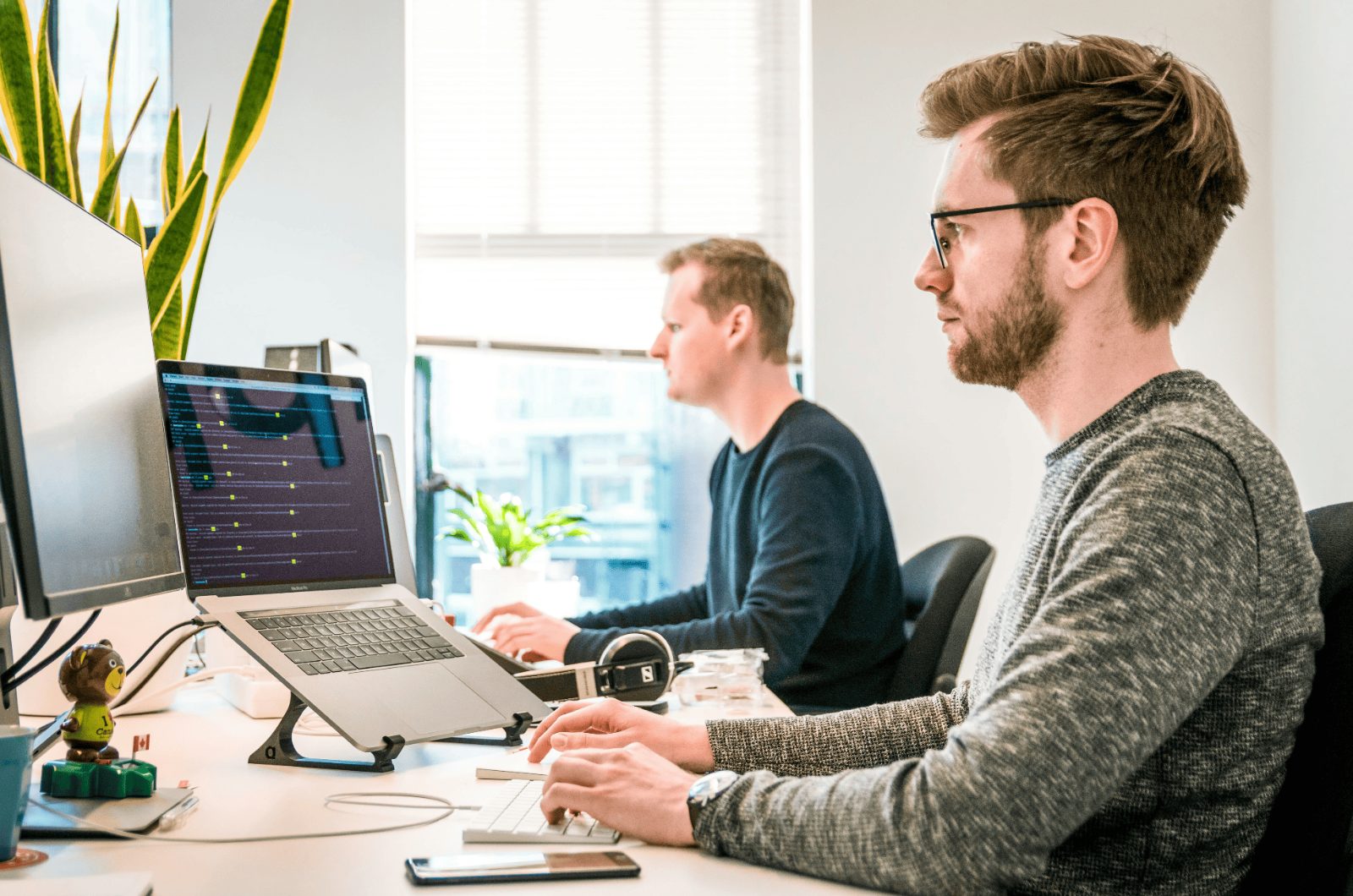
Freedom is exciting, but working independently in another country means handling everything yourself: finding clients, negotiating contracts, invoicing, chasing payments and smoothing out irregular income. The pressure peaks between missions, during a relocation or when the business grows fast. This is when structure and support make the difference.
Networking matters more than you expect

Even in digital sectors, many Dutch missions come through relationships. The market is relatively small and reputations travel fast, in both directions. What works:
- staying visible on LinkedIn and in your professional communities;
- keeping in touch with clients after a project ends;
- asking satisfied clients for referrals;
- specialising clearly so people know when to recommend you.
How umbrella employment makes Dutch freelancing sustainable
With the Wet DBA back in force, the question many Dutch clients ask is no longer “how good is this freelancer?” but “can we safely contract with them?”. Umbrella employment answers it. You become an employee of the umbrella company, which signs the service agreement with the client, invoices it and runs your payroll. You keep your missions and your rates; the client contracts with a company and no longer carries the classification risk.
- social protection as an employee instead of self-funded cover;
- no invoicing, payment chasing or tax filings to manage alone;
- cross-border compliance handled by specialists;
- a stable salary between the ups and downs of mission-based income.
Learn more on our Skalis Netherlands page, compare Employer of Record in the Netherlands, or read our practical guide to working as a freelancer in the Netherlands.
FAQ: freelancing in the Netherlands
Is the Netherlands a good place to work as a freelancer in 2026?
Yes, for experienced specialists. The Dutch market has strong demand for freelance expertise in IT, engineering, finance and consulting, English is widely used in business, and day rates are among the higher ones in Europe. The trade-off is stricter scrutiny of self-employment since enforcement of the Wet DBA resumed on 1 January 2025.
Do I need to register with the KVK to freelance in the Netherlands?
If you run a business from the Netherlands, yes: self-employed professionals (zzp’ers) register with the Chamber of Commerce (KVK), which passes their details to the Dutch Tax Administration for VAT and income tax. Freelancers based in another EU country who serve Dutch clients usually keep their home-country status, but must check where they are taxable and socially insured.
What is the Wet DBA and why does it matter for freelancers?
The Wet DBA (Deregulation of the Assessment of Employment Relationships Act) governs when a freelance assignment is in fact an employment relationship. The Dutch Tax Administration lifted its enforcement moratorium on 1 January 2025, so clients now face real risk of back-taxes if a freelancer works like an employee. Many Dutch companies have become more cautious about hiring self-employed people directly.
What VAT do Dutch freelancers charge?
The standard Dutch VAT (BTW) rate is 21%. Small businesses with an annual turnover below €20,000 can opt into the small business scheme (KOR) and be exempt from charging VAT.
Can a freelancer benefit from the 30% ruling in the Netherlands?
No, not as a self-employed person. The 30% ruling is a tax-free allowance for employees recruited from abroad and paid through a Dutch payroll. It is scheduled to fall to 27% from 2027. Professionals who want it need an employment contract with a Dutch withholding employer.
How can umbrella employment help freelancers working in the Netherlands?
With umbrella employment, the consultant is employed by the umbrella company, which contracts with the Dutch client, invoices it and runs payroll. The client no longer carries the self-employment classification risk, and the consultant keeps their missions and rates while gaining employee social protection.
Sources: Belastingdienst (Dutch Tax Administration), KVK, business.gov.nl. Informational article, updated 19 October 2026. Tax rates, thresholds and enforcement rules change regularly: check the current rules or ask an adviser before making decisions.
